

Etosha Escape
Click on Image for More Details
Etosha Escape: A 7-Day Namibian Wildlife Adventure
Overview
Embark on an unforgettable 7-day journey through Namibia's premier wildlife destination, starting and ending in Windhoek. This carefully curated tour takes you through the heart of Etosha National Park, visiting its famous rest camps and waterholes, before completing a scenic loop back to the capital.
Day 1: Windhoek to Etosha (Anderson Gate to Okaukuejo)
- Morning: Depart Windhoek after breakfast, heading north through farmland and small towns
- Afternoon: Enter Etosha via Anderson Gate, your first wildlife viewing opportunities begin immediately
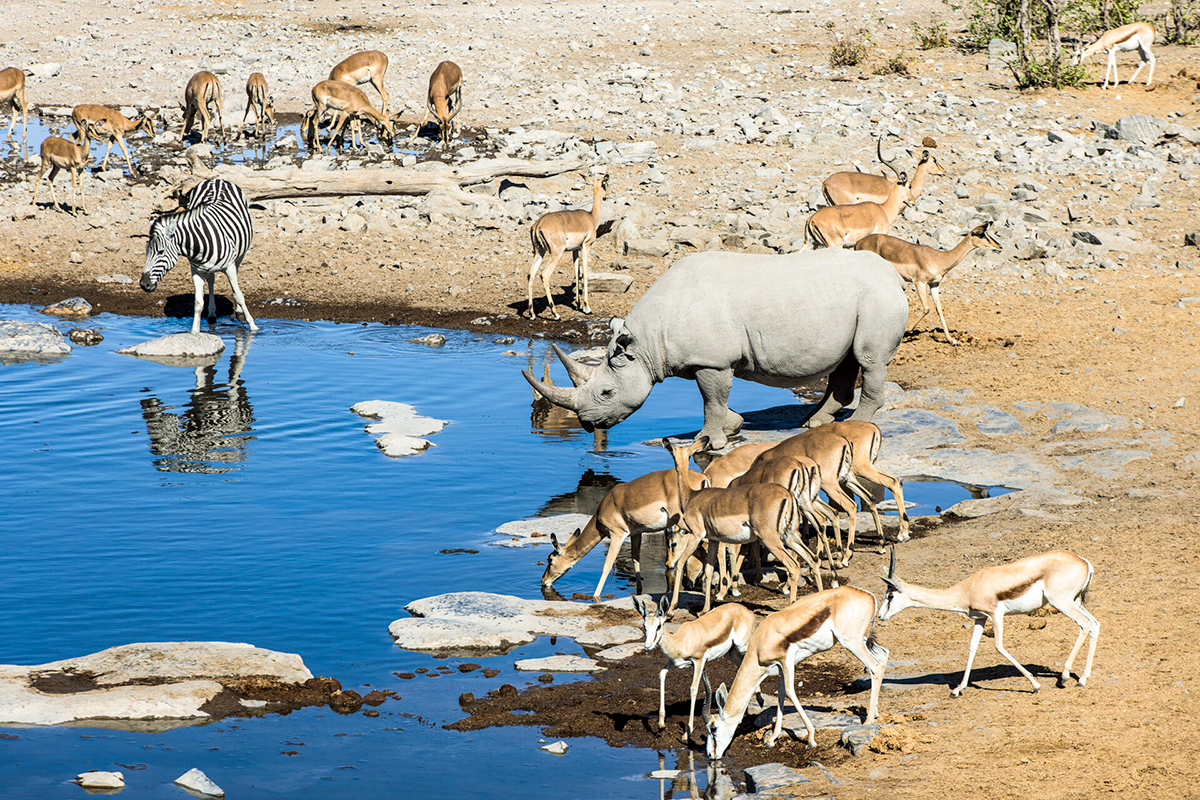
- Evening: Arrive at Okaukuejo Rest Camp, famous for its floodlit waterhole where elephants, rhinos, and predators come to drink after dark
- Accommodation: Okaukuejo Rest Camp (chalet or campsite)
Day 2: Exploring Okaukuejo Region
- Morning: Early game drive along routes surrounding Okaukuejo, visiting waterholes like Okondeka and Gemsbokvlakte
- Afternoon: Relax at camp or join an optional guided game drive
- Evening: Witness the spectacular wildlife parade at the illuminated waterhole
- Highlight: Possible sightings of black rhino, lion, and large elephant herds
Day 3: Okaukuejo to Halali
- Morning: Game drive eastward toward Halali, stopping at waterholes including Olifantsbad and Aus
- Afternoon: Arrive at Halali Rest Camp, nestled between dolomite hills
- Evening: Visit the camp's renowned Moringa waterhole or take a sunset drive
- Highlight: Unique birdlife and the chance to spot leopard in the rocky terrain
Day 4: Halali Exploration
- Full day: Explore the central region of Etosha around Halali
- Key spots: Rietfontein, Goas, and Salvadora waterholes
- Alternative: Guided nature walk (subject to availability) focusing on smaller wildlife and ecology
- Evening: Sundowners at a scenic viewpoint overlooking the Etosha Pan
Day 5: Halali to Namutoni
- Morning: Game drive toward eastern Etosha, passing Fischer's Pan and Chudob waterhole
- Afternoon: Arrive at historic Namutoni Rest Camp, built around a German fort
- Evening: Game drive to Klein Namutoni and Koinachas waterholes
- Highlight: Different ecosystem with more open grasslands and varied wildlife
Day 6: Namutoni to Tsumeb/Otjiwarongo
- Morning: Final Etosha game drive, exiting via the Galton Gate in the park's southeast
- Afternoon: Travel to Tsumeb, visit the mineral museum or local market
- Evening: Continue to Otjiwarongo, overnight in lodge accommodation
- Highlight: Transition from wilderness to charming Namibian towns
Day 7: Otjiwarongo to Windhoek
- Morning: Visit the Crocodile Ranch or explore Otjiwarongo's craft markets
- Afternoon: Scenic drive back to Windhoek via Okahandja (optional stop at woodcarvers market)
- Evening: Arrive in Windhoek, tour concludes
- Optional: Farewell dinner at a traditional restaurant in the capital
Tour Details
Best Time to Travel: May to October (dry season for optimal wildlife viewing)
Included:
- Park entry fees and accommodation
- Transport in specialized safari vehicle
- Professional guide/driver
- Most meals (check with tour operator)
What to Bring:
- Binoculars and camera with zoom lens
- Neutral-colored clothing
- Sun protection (hat, sunscreen, sunglasses)
- Warm layers for morning/evening game drives
Wildlife to Expect:
- Big cats (lion, leopard, cheetah)
- Elephants, black and white rhinos
- Numerous antelope species
- 340+ bird species
- Unique desert-adapted creatures
Why This Route?
This circular itinerary maximizes your Etosha experience by visiting all three main rest camps, each with distinctive ecosystems and wildlife patterns. Exiting via Galton Gate offers different scenery and a more gradual transition back to civilization than retracing your route.
Booking Information
Options range from budget camping tours to luxury lodge-based experiences. Advance booking is essential, especially during peak season (July-October).
Experience the magic of Etosha's wildlife spectacle on this comprehensive 7-day journey through one of Africa's greatest national parks.
Namibian Odyssey
Click on Image for More Details
Epic Namibia Explorer: 10-Day Ultimate Namibian Odessey
Embark on a spectacular 10-day journey that showcases Namibia's greatest highlights—from the legendary wildlife of Etosha National Park to the ancient rock art of Twyfelfontein, the surreal landscapes of Damaraland, and the coastal charm of Swakopmund. This comprehensive tour offers a perfect balance of wildlife, culture, geology, and adventure.
Tour Itinerary
Day 1: Windhoek to Eastern Etosha (Galton Gate to Namutoni)
- Morning: Depart Windhoek, traveling north through the Okavango region
- Afternoon: Enter Etosha National Park via the scenic Galton Gate in the southeast
- Evening: Arrive at historic Namutoni Rest Camp, built around a German fort
- Highlight: Sunset game drive around Fischer's Pan and Klein Namutoni waterhole
- Accommodation: Namutoni Rest Camp (chalet or campsite)
Day 2: Namutoni Exploration & Transfer to Halali
- Morning: Game drive through eastern Etosha's grasslands, visiting Chudob and Koinachas waterholes
- Afternoon: Travel westward to Halali Rest Camp, stopping at waterholes en route
- Evening: Relax at Halali's famous Moringa waterhole, known for nocturnal leopard sightings
- Wildlife Focus: Lion prides, plains game, and migratory birds
Day 3: Halali to Okaukuejo – Heart of Etosha
- Full Day: Game drive through central Etosha, visiting iconic waterholes
- Key Stops: Goas, Rietfontein, and Nebrownii waterholes
- Afternoon: Arrive at Okaukuejo Rest Camp, Etosha's oldest and most famous camp
- Evening: Unforgettable wildlife viewing at the illuminated floodlit waterhole
- Special Feature: Highest chance to see black rhino in Africa
Day 4: Western Etosha & Exit via Anderson Gate
- Morning: Final Etosha game drive exploring western sections near Okaukuejo
- Visit: Okondeka and Gemsbokvlakte waterholes
- Afternoon: Exit Etosha via Anderson Gate, heading toward Damaraland
- Evening: Overnight at lodge near the "Vingerklip" (Finger Stone)
- Highlight: Dramatic sunset views of this 35-meter limestone pillar
Day 5: Damaraland Discovery Day
- Morning: Travel to Khorixas, gateway to the Damaraland region
- Afternoon: Visit UNESCO World Heritage Site Twyfelfontein, home to one of Africa's largest concentrations of ancient rock engravings
- Continue to: Petrified Forest (280-million-year-old fossilized trees) and Burnt Mountain (vibrant mineral-colored slopes)
- Evening: Arrive at White Lady Lodge at the foot of Brandberg Mountain
- Cultural Insight: Learn about San/Bushman rock art from local guides
Day 6: Brandberg & Journey to the Coast
- Morning: Optional hike to see the "White Lady" rock painting (2-3 hour round trip)
- Alternative: Explore the Tsisab Ravine or relax at the lodge
- Afternoon: Descend from Damaraland to the Skeleton Coast
- Evening: Arrive in Henties Bay, a tranquil fishing village
- Coastal Experience: First glimpse of the Atlantic Ocean and desert-meets-sea landscape
Day 7: Skeleton Coast to Swakopmund
- Morning: Explore Henties Bay, visit the seal colony at Cape Cross (seasonal)
- Afternoon: Travel to Swakopmund via the coastal road
- Swakopmund Activities: German colonial architecture, curio markets, seafood restaurants
- Optional Adventures: Quad biking, sandboarding, or scenic flights (own expense)
- Accommodation: Swakopmund hotel or guesthouse
Day 8: Moon Valley & Goanikontes Oasis
- Morning: Visit the lunar landscape of Moon Valley, sculpted by the Swakop River
- Continue to: Goanikontes Oasis, a surprising green haven in the Namib Desert
- Afternoon: Return to Swakopmund for free time
- Evening: Optional dinner at a top-rated seafood restaurant
- Geological Wonder: Learn about the formation of these unique desert features
Day 9: Spitzkoppe – Namibia's Matterhorn
- Morning: Depart Swakopmund, heading inland toward Spitzkoppe
- Afternoon: Explore the "Bride's Chamber," ancient rock art sites, and dramatic granite formations
- Photography Opportunity: Spectacular sunset lighting on the 700-million-year-old peaks
- Evening: Traditional "braai" (barbecue) under star-filled desert skies
- Accommodation: Spitzkoppe community campsite or nearby lodge
Day 10: Return to Windhoek
- Morning: Final exploration of Spitzkoppe, optional guided walk
- Afternoon: Scenic drive through Namib highlands back to Windhoek
- En Route: Pass through Karibib and Okahandja (optional craft market stop)
- Evening: Arrival in Windhoek, tour concludes
- Optional: Farewell dinner at Joe's Beerhouse or similar iconic venue
Tour Highlights at a Glance
Wildlife & Nature:
- Etosha's Big Five viewing opportunities
- Floodlit waterhole wildlife spectacles
- Desert-adapted elephant and rhino (possible in Damaraland)
- Coastal seal colonies and birdlife
Cultural & Historical:
- 2,000-6,000-year-old San rock engravings at Twyfelfontein
- Petrified Forest and geological wonders
- German colonial architecture in Swakopmund
- Local Damara and Herero cultures
Geological Wonders:
- Burnt Mountain's colorful mineral display
- Spitzkoppe's dramatic granite inselbergs
- Moon Valley's eroded landscape
- Skeleton Coast's shipwreck coastline
Practical Information
Best Time to Travel: May to November (cooler, dry season)
Difficulty Level: Moderate (some walking on uneven terrain)
Climate: Wide variations – hot days in Etosha, cool coastal temperatures, cold desert nights
Included:
- All park entry fees and conservation levies
- Accommodation as specified
- Professional guide/driver
- Transport in air-conditioned safari vehicle
- Most meals (check with operator)
- Selected activities
What to Pack:
- Binoculars and camera with extra memory cards
- Clothing for hot days and cold nights
- Sturdy walking shoes
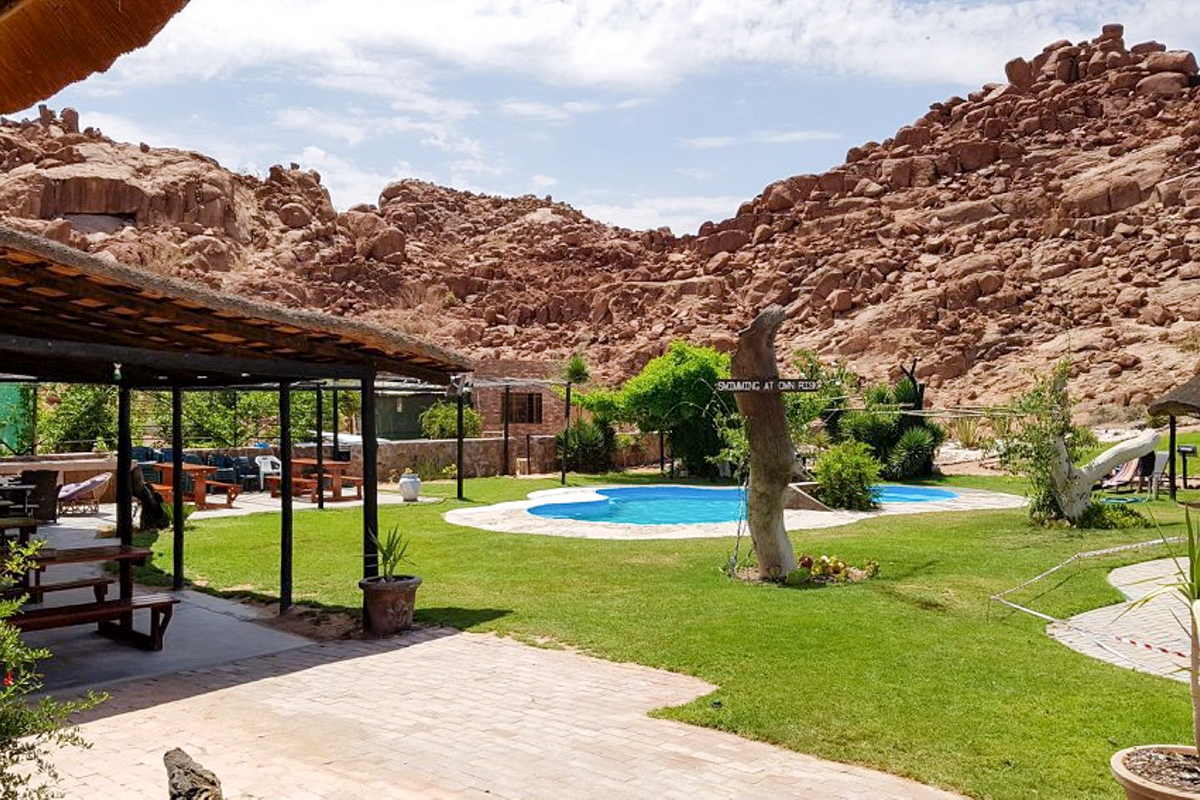
- Swimwear (some lodges have pools)
- Sun protection (hat, sunscreen, sunglasses)
Why This 10-Day Tour Stands Out
This itinerary offers an unparalleled diversity of experiences—from wildlife viewing in Africa's premier game parks to exploring ancient human history, witnessing geological marvels, and experiencing Namibia's unique coastal atmosphere. The route has been carefully designed to minimize backtracking while maximizing exposure to Namibia's most iconic destinations.
Sustainable Tourism Note
This tour supports community-based tourism initiatives at Spitzkoppe and Twyfelfontein, contributing directly to local conservation and economic development. We follow strict wildlife viewing guidelines and leave-no-trace principles in sensitive areas.
Booking & Preparation
Advance booking (6-12 months recommended for peak season) ensures availability at the best lodges and camps. Consult with your doctor about malaria prophylaxis for the Etosha region. Most nationalities can obtain a visa on arrival in Namibia.
Experience the very best of Namibia on this unforgettable 10-day journey through a land of breathtaking contrasts and timeless beauty.
Diamond Dunes
Click on Image for More Details
The Namib Desert & Southern Heritage Expedition: Diamond Dunes
Introduction: Unveiling Southern Namibia's Secrets
Discover the soul of the Namib Desert on this extraordinary 10-day journey from Windhoek. This tour bypasses the traditional northern routes to explore the dramatic landscapes, haunting ghost towns, and resilient wildlife of Namibia's captivating south. From the world's highest sand dunes to abandoned diamond mines, from wild horses to German castles, this itinerary reveals the diverse tapestry of a region forged by extreme elements and human ambition.
Detailed Itinerary
Day 1: Windhoek to Solitaire – Mountain Passes & Desert Threshold
- Morning: Depart Windhoek, ascending onto the Khomas Hochland plateau
- Scenic Drive: Traverse the dramatic Gamsberg Pass (2,347m) with breathtaking views of the surrounding highlands
- Continue: Descend the legendary Spreetshoogte Pass – Namibia's steepest mountain pass with gradients up to 1:4
- Afternoon: Arrive at the iconic desert oasis of Solitaire
- Evening: Witness the famous Solitaire sunset and sample Moose McGregor's legendary apple pie
- Accommodation: Solitaire Lodge or comfortable desert camp
- Highlight: Photographic opportunities at the vintage car graveyard against desert backdrop
Day 2: Into the Namib Desert – Sossusvlei Gateway
- Morning: Enter the Namib-Naukluft National Park via Sesriem gate
- Afternoon: Explore the twisted canyon of Sesriem, carved by the Tsauchab River over millions of years
- Sunset Activity: Climb Elim Dune for panoramic desert views as the light transforms the landscape
- Evening: Stargazing in one of Africa's darkest sky reserves
- Accommodation: Lodge at Sesriem or Sossusvlei area
- Geological Insight: Learn about the formation of the world's oldest desert
Day 3: Sossusvlei & Deadvlei Sunrise Spectacle
- Pre-dawn: Early departure to catch sunrise at the dunes (first light entry privilege if staying inside park)
- Morning: Visit Dune 45 – climb this iconic 85-meter star dune for sunrise photography
- Continue: Transfer via 4x4 shuttle through the clay pan to Sossusvlei itself
- Main Attraction: Hike to Deadvlei – the surreal white clay pan with 900-year-old dead camelthorn trees against orange dunes
- Afternoon: Return to lodge for relaxation, optional visit to Hiddenvlei
- Photography Tip: The changing light from dawn to mid-morning offers completely different photographic conditions
Day 4: Desert to Castle – Duwisib's European Legacy
- Morning: Depart Sossusvlei, traveling through the expansive Namib gravel plains
- Afternoon: Arrive at Duwisib Castle – a medieval-style fortress built in 1909 by German Baron Hans Heinrich von Wolf
- Explore: Tour the castle's surprisingly intact interiors and learn about its tragic romantic history
- Evening: Overnight in the Maltahöhe area
- Historical Context: Understand the German colonial period and its architectural legacy in remote Namibia
Day 5: The Wild Horses of the Namib & Aus Arrival
- Morning: Travel through the dramatic Tiras Mountains toward the plains of Aus
- Afternoon: Search for the legendary Wild Horses of the Namib – approximately 150 feral horses surviving in extreme desert conditions
- Guided Tour: Learn about the theories of their origin (escaped WWI cavalry, shipwreck survivors, or German breeding stock)
- Evening: Arrive in Aus, a former prisoner-of-war camp during WWI
- Accommodation: Lodge in Aus with views over the Garub plains
- Conservation Note: Observe these unique animals from designated viewing areas to minimize disturbance
Day 6: Lüderitz – German Coastal Enclave
- Morning: Journey through the surreal "Mirage" landscape to the coastal town of Lüderitz
- Afternoon: Explore this colorful German colonial town with its Art Nouveau architecture
- Visit: The Felsenkirche (church on the rocks), Goerke Haus, and Lüderitz Museum
- Optional: Boat trip to Halifax Island to see penguins and seals (seasonal/weather dependent)
- Culinary Highlight: Sample fresh oysters and seafood at a waterfront restaurant
- Accommodation: Lüderitz hotel or guesthouse
Day 7: Kolmanskop – Diamond Ghost Town
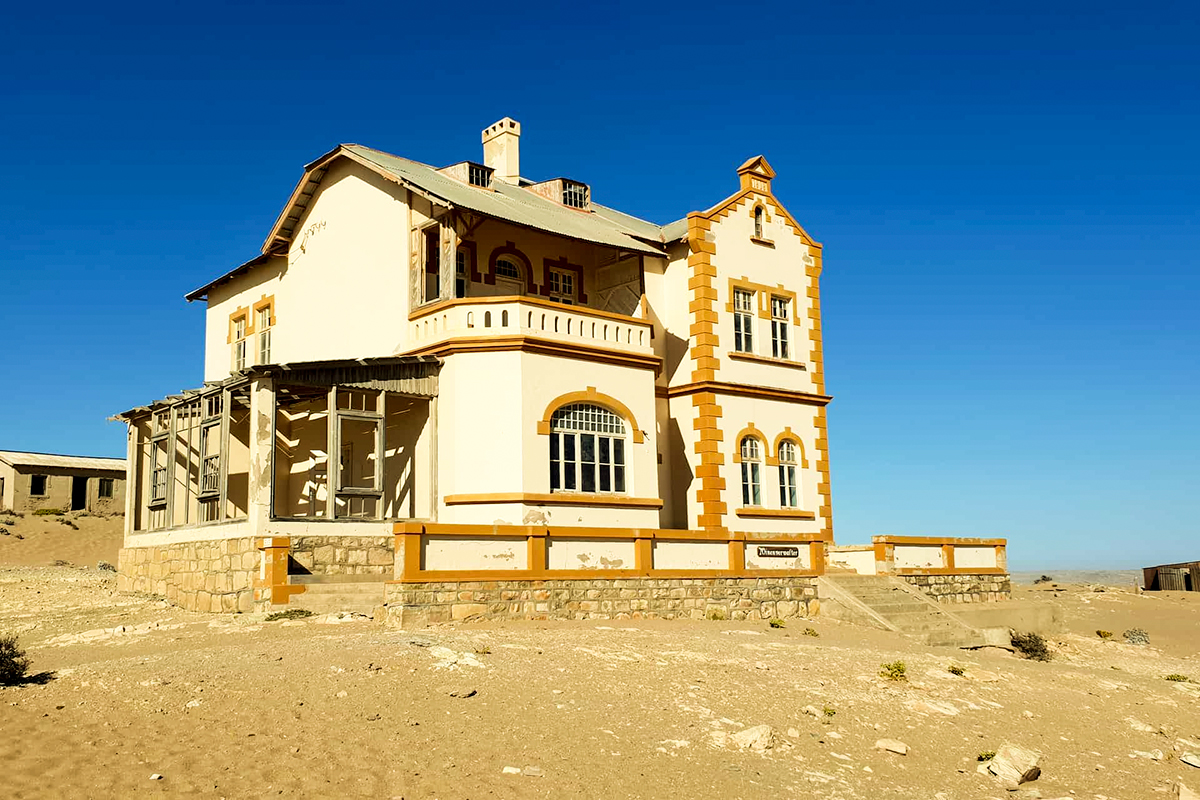
- Morning: Guided tour of Kolmanskop – Namibia's most famous ghost town
- Explore: Wander through abandoned houses being reclaimed by the desert sands
- Learn: The incredible diamond rush history that created and abandoned this town
- Afternoon: Visit the eerie Bogenfels rock arch (if accessible) or enjoy free time in Lüderitz
- Photography Opportunity: Morning light provides the best conditions for capturing the sand-filled interiors
- Evening: Sunset at Diaz Point with its replica Portuguese padrão (cross)
Day 8: Return Journey – Aus to Duwisib Region
- Morning: Depart Lüderitz, retracing route through changing landscapes
- Afternoon: Optional visit to the Giant's Playground near Keetmanshoop – bizarre dolerite rock formations
- Alternative: Visit the Quiver Tree Forest (Kokerboomwoud) with its iconic aloe trees
- Evening: Overnight in the Duwisib or surrounding area
- Cultural Option: Visit a local Nama community to learn about desert survival traditions
Day 9: Through the Namib to Windhoek
- Morning: Begin the journey northward on paved roads through dramatic scenery
- Lunch Stop: At one of the small towns along the B1 highway
- Afternoon: Pass through Rehoboth and continue toward the capital
- Evening: Arrival in Windhoek, check into accommodation
- Farewell Dinner: Optional group dinner at a traditional restaurant
- Accommodation: Windhoek hotel or guesthouse
Day 10: Windhoek Exploration & Departure
- Morning: Guided tour of Windhoek's highlights (Christuskirche, Parliament Gardens, Independence Museum)
- Optional: Visit the Namibia Craft Centre for last-minute souvenirs
- Afternoon: Transfer to Windhoek Hosea Kutako International Airport or conclusion of tour
- Alternative: Extension to nearby Daan Viljoen Game Reserve or Okapuka Ranch
Tour Highlights Summary
Natural Wonders:
- Sunrise at Deadvlei's ancient dead trees
- Climbing the iconic Dune 45
- Sesriem Canyon's geological layers
- The stark beauty of the Spreetshoogte Pass
Historical & Cultural Sites:
- Kolmanskop's diamond ghost town
- Lüderitz's German colonial architecture
- Duwisib Castle's romantic tragedy
- The mysterious Wild Horses of Aus
Unique Experiences:
- Stargazing in the Namib Dark Sky Reserve
- Photography of sand-engulfed buildings
- Desert survival insights
- Coastal Atlantic ambiance
Practical Information
Best Time to Travel: March to May or August to October (moderate temperatures)
Difficulty Level: Moderate – includes walking on sand and uneven terrain
Climate: Desert conditions – hot days, cold nights, potential coastal fog in Lüderitz
Essential Packing List:
- Sturdy, closed walking shoes for dune climbing
- Headlamp for pre-dawn departures
- Camera with protection against sand
- Layers for temperature variations
- Sun protection (SPF 50+, hat, sunglasses)
- Binoculars for wildlife and distant viewing
Included:
- All national park fees and entry permits
- Accommodation as specified
- Transport in air-conditioned vehicle
- Professional guide/driver
- Most meals (check with operator)
- 4x4 shuttle transfer in Sossusvlei
Not Included:
- Optional activities (boat trips, scenic flights)
- Personal expenses
- Travel insurance
- Some meals (as per itinerary)
Photography Focus
This tour is a photographer's dream. Key opportunities include:
- Golden hour on the red dunes
- Abstract patterns in Deadvlei
- Architectural decay at Kolmanskop
- Wild horses in dramatic light
- Star trails in the desert night
Sustainable Tourism Practices
- We use designated tracks to prevent desert erosion
- Support local guides and communities in Aus and Lüderitz
- Follow strict "leave no trace" principles in fragile environments
- Contribute to wild horse conservation through permit fees
- Use refillable water bottles to reduce plastic waste
Why Choose This Southern Circuit?
Unlike northern routes, this journey focuses on:
- Geological diversity from mountains to dunes to coastline
- Unique historical narratives of diamond boom and colonial ambition
- Fewer crowds than the more popular Etosha route
- Excellent infrastructure with paved roads for comfortable travel
- Year-round accessibility with consistent weather patterns
Booking Information
This tour operates with small groups (maximum 12 participants) for personalized attention. Advance booking is recommended, especially for peak photography seasons. We offer this itinerary with varying accommodation standards from comfortable to luxury.
Embark on this unforgettable journey through Namibia's southern heartland—where desert mysteries, historical ghosts, and breathtaking landscapes combine to create an experience that will linger in your memory long after the desert sands have been brushed from your shoes.
Southern Cross
Click on Image for More Details
Southern Cross: A 10-Day Journey Through Desert, Canyon & River
Introduction: Discover Namibia's Undiscovered South
Embark on a remarkable 10-day circular journey through Southern Namibia—a region often overlooked by travelers yet brimming with dramatic landscapes, unique geology, and surprising oases. This tour ventures from Windhoek to the diamond coast, explores the world's second largest canyon, visits quirky desert towns, and returns via Namibia's agricultural heartland. Perfect for travelers seeking roads less traveled and authentic Namibian experiences beyond the classic safari circuit.
Detailed Itinerary
Day 1: Windhoek to Aus – Gateway to the Southern Desert
- Morning: Depart Windhoek heading south on the B1 highway through the Khomas Hochland
- Scenic Stop: Marvel at the Tropic of Capricorn marker for photographic opportunity
- Afternoon: Pass through the mining town of Mariental (to be explored later in the tour)
- Continue: Journey southwest through increasingly arid landscapes
- Evening: Arrive in Aus – famous for its wild horses and desert scenery
- Sunset Activity: Visit the Wild Horses viewing area at Garub Pan
- Accommodation: Desert Horse Inn or Klein-Aus Vista lodge
- Historical Note: Learn about Aus's role as a WWI-era prisoner of war camp
Day 2: Aus Exploration & Journey to the Diamond Coast
- Morning: Guided tour to see the Wild Horses of the Namib in their natural habitat
- Learn: Theories about their origin and how they survive in this harsh environment
- Midday: Travel through the hauntingly beautiful "Mirage" landscape toward the coast
- Afternoon: Arrive in Rosh Pinah, a small mining town on the banks of the Orange River
- Evening: Sunset over the striking Rosh Pinah mountain backdrop
- Geological Interest: Observe the unique mineral formations surrounding the town
- Accommodation: Rosh Pinah guesthouse or lodge
Day 3: Oranjemund – Namibia's Diamond Capital
- Morning: Travel to Oranjemund (permit arranged in advance)
- Security Note: This diamond mining town only recently opened to tourists
- Afternoon: Guided tour of Oranjemund's surprisingly green, manicured town
- Visit: The Diamond Museum to learn about Namibia's mining history
- Explore: The restricted-access beaches where diamonds were historically found
- Unique Experience: See how a company town functions in extreme isolation
- Evening: Witness the dramatic meeting of desert and Atlantic Ocean
- Accommodation: Oranjemund hotel (limited options, booked well in advance)
Day 4: Ai-Ais Hot Springs – Desert Oasis
- Morning: Depart Oranjemund, traveling north along the Orange River
- Border View: Look across to South Africa on the opposite river bank
- Afternoon: Arrive at Ai-Ais Hot Springs Resort ("burning water" in Nama)
- Relaxation: Soak in the naturally heated mineral pools (37-60°C)
- Geology: Learn about the geothermal activity creating these desert springs
- Evening: Enjoy the contrast of desert coolness with warm spring waters
- Wellness Note: The mineral-rich waters are believed to have therapeutic properties
- Accommodation: Ai-Ais Resort chalets or campsite
Day 5: Fish River Canyon – Africa's Grand Canyon
- Morning: Short drive to Fish River Canyon viewpoint
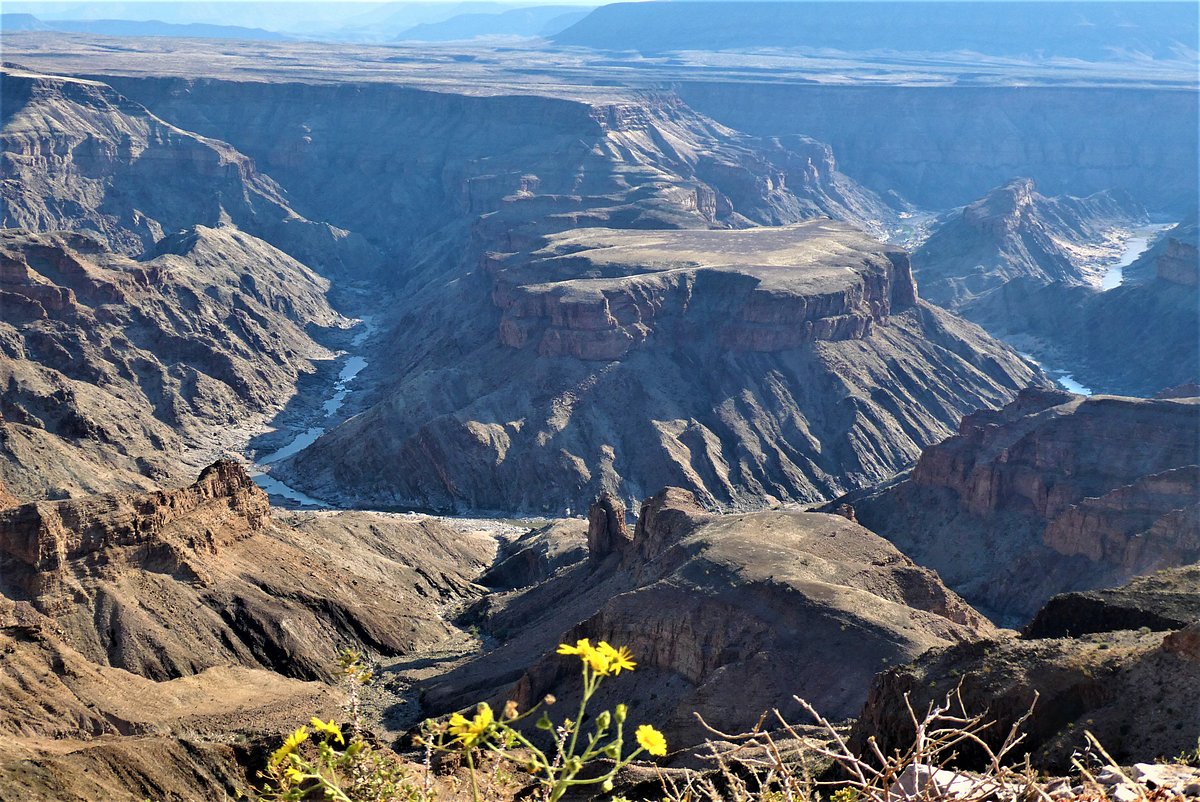
- Experience: Stand at the edge of the world's second largest canyon (after Grand Canyon)
- Dimensions: 160km long, up to 27km wide, and 550 meters deep
- Hiking Option: Descend partway into the canyon (for the adventurous, with guide)
- Alternative: Scenic drive along the rim to various viewpoints including Hell's Bend
- Photography: Capture the canyon's changing colors throughout the day
- Afternoon: Travel to nearby viewpoint for sunset over the canyon
- Geological Wonder: Formed over 500 million years through water erosion and tectonic shifts
- Accommodation: Canyon Roadhouse or nearby lodge
Day 6: Canyon Roadhouse & Journey North
- Morning: Explore the quirky Canyon Roadhouse with its vintage car collection
- Breakfast: Enjoy a meal in the uniquely decorated restaurant
- Travel: Depart canyon region, heading north through dramatic desert landscapes
- Midday: Stop at Naute Dam – an unexpected oasis and irrigation project
- Activity: Birdwatching (over 200 species recorded) or visit the Naute Kristall Cellar
- Afternoon: Continue to the small settlement of Soeks (sometimes spelled Sox)
- Evening: Arrive at unique desert accommodation
- Stargazing: Exceptional dark skies for astronomy
- Accommodation: Soeks Hotel or similar desert lodge
Day 7: Keetmanshoop – Quiver Trees & Giants
- Morning: Travel to Keetmanshoop, historic capital of the south
- Visit: The Quiver Tree Forest (Kokerboomwoud) – a forest of ancient aloe trees
- Photography: Capture these surreal trees against the desert backdrop
- Continue: To the Giant's Playground – bizarre dolerite rock formations
- Geology: Learn how these 180-million-year-old rocks formed and balanced
- Afternoon: Explore Keetmanshoop town – visit the museum and German-era church
- Historical Insight: Understand the town's missionary history and Nama heritage
- Accommodation: Keetmanshoop hotel (such as Canyon Hotel)
Day 8: Mariental & Kalahari Transition
- Morning: Depart Keetmanshoop northward on the B1 highway
- Landscape Change: Watch the transition from Namib Desert to Kalahari savannah
- Afternoon: Arrive in Mariental, heart of Namibia's cattle farming region
- Visit: Local farm or agricultural project (seasonal/arranged in advance)
- Cultural Experience: Learn about the Hardap region's farming communities
- Evening: Sunset over the Kalahari plains
- Culinary Note: Opportunity to try authentic Namibian farm-style cuisine
- Accommodation: Mariental hotel or guest farm
Day 9: Hardap Dam Recreation Area
- Morning: Visit Hardap Dam – Namibia's largest reservoir
- Activities: Choose from game drive in the reserve, boat trip (seasonal), or hiking
- Wildlife: Chance to see oryx, springbok, zebra, and abundant birdlife
- Conservation: Learn about water management in an arid country
- Afternoon: Leisure time at the resort or optional activities
- Alternative: Visit the Na-an-ku-se Sanctuary near Stampriet
- Evening: Farewell dinner with traditional flavors
- Accommodation: Hardap Resort chalets or Mariental area
Day 10: Return to Windhoek via Rehoboth
- Morning: Final visit to Hardap Dam area or departure for Windhoek
- En Route: Stop at Rehoboth, historical home of the Baster community
- Cultural Insight: Learn about the unique Rehoboth Basters' history and culture
- Optional: Visit the museum or craft markets
- Afternoon: Continue to Windhoek through the highland scenery
- Late Afternoon: Arrival in Windhoek, transfer to airport or accommodation
- Tour Conclusion: End of Southern Namibia Explorer journey
Unique Features of This Southern Circuit
1. Diamond Coast Access
- Rare opportunity to visit restricted areas
- Understanding Namibia's diamond economy
- Contrast between mining wealth and desert poverty
2. Geological Diversity
- Fish River Canyon's epic scale
- Giant's Playground's mysterious formations
- Transition through multiple desert types
3. Thermal Experiences
- Ai-Ais Hot Springs' therapeutic waters
- Contrast between desert cold and spring warmth
4. Agricultural Insights
- Namibia's farming challenges and innovations
- Irrigation projects like Hardap and Naute dams
- Kalahari agricultural adaptations
Practical Information
Best Time to Travel: March to October (avoiding extreme summer heat)
Difficulty Level: Easy to moderate (mainly vehicle-based with optional walks)
Road Conditions: Mix of paved and good gravel roads
Essential Packing:
- Swimwear for hot springs
- Hiking shoes for canyon viewing areas
- Layers for varying temperatures
- Sun protection (desert intensity)
- Camera with wide-angle lens for landscapes
- Binoculars for birdwatching
Included Highlights:
- All permits (including Oranjemund access)
- Professional guide/driver
- Accommodation as specified
- Transport in suitable vehicle
- Entry fees to parks and attractions
- Most meals (check with operator)
Not Included:
- Personal expenses
- Optional activities
- Some meals
- Travel insurance
Photography Opportunities
Landscape:
- Fish River Canyon at sunrise/sunset
- Quiver trees in golden light
- Wild horses against desert backdrop
- Diamond Coast desert-meets-ocean scenes
Cultural:
- Mining town contrasts
- Small-town Namibian life
- Agricultural landscapes
- Architectural details in Keetmanshoop
Sustainability & Community Impact
This tour supports:
- Local guides in smaller towns
- Community-run accommodations
- Conservation of wild horse population
- Cultural preservation in Rehoboth
- Responsible water usage education
Why This Southern Tour?
- Authenticity – Experience Namibia beyond tourist hotspots
- Diversity – From canyon to coast to farmland
- Access – Visit recently opened areas like Oranjemund
- Comfort – Good infrastructure with manageable driving distances
- Uniqueness – Itinerary not offered by most operators
Booking & Preparation Notes
Important Requirements:
- Oranjemund permits require advance processing (minimum 7 days)
- Passport required for potential border area proximity
- Good health for optional canyon walking
- Open mind for unexpected desert adventures
Health Considerations:
- Hot springs not recommended for those with certain medical conditions
- Desert dehydration prevention
- Basic first aid knowledge for remote areas
Conclusion
The Southern Namibia Explorer offers a profoundly different perspective on Namibia—one focused on geological wonders, human adaptation to extreme environments, and the quiet beauty of less-visited regions. This journey proves that Namibia's magic extends far beyond its famous safari destinations, revealing a country of incredible resilience, surprising diversity, and breathtaking landscapes at every turn.
Ready to explore Namibia's hidden south? Contact us today to book your journey off the beaten path.
Namibia's Ultimate Guide: 25 Essential Destinations for Custom Tours
Click on Image for More Details
Introduction: Craft Your Perfect Namibian Adventure
Namibia—a land of dramatic contrasts where the world's oldest desert meets the wild Atlantic, where ancient cultures thrive alongside extraordinary wildlife, and where every landscape tells a story millions of years in the making. For discerning travelers seeking to create their ideal journey, Namibia offers unparalleled opportunities for customization. This guide explores 25 essential destinations that can be combined to create your perfect Namibian experience.
The Great Deserts & Dunes
1. Sossusvlei & Deadvlei
The iconic heart of the Namib Desert
- Key Features: World's highest sand dunes (some over 300m), surreal Deadvlei pan with 900-year-old dead camelthorn trees
- Best Time: Year-round, but cooler months (May-Sept) are ideal for climbing
- Custom Tour Ideas: Sunrise photography tours, hot air balloon rides, private guided dune walks
- Unique Experience: Climb Big Daddy or Dune 45 for sunrise over a sea of sand
2. Namib-Naukluft Park
Africa's largest game park
- Key Features: Vast desert wilderness, Naukluft Mountains, Welwitschia plants, lunar landscapes
- Activities: Hiking trails, 4x4 routes, wildlife viewing (oryx, springbok, Hartmann's mountain zebra)
- Customization: Multi-day hiking expeditions, specialized geological tours, desert adaptation ecology focus
3. Sandwich Harbour
Where desert plunges into ocean
- Key Features: Dramatic dunes meeting Atlantic waters, critical wetland for birds
- Access: 4x4 only, tides determine accessibility
- Custom Tours: Photography-focused excursions, birdwatching specials, private picnics on the dunes
- Note: Requires expert local guides due to tidal dangers
Coastal Wonders
4. Lüderitz
German colonial charm on the diamond coast
- Key Features: Colorful Art Nouveau architecture, penguin colonies, fresh seafood
- Historical Sites: Felsenkirche, Goerke Haus, Diaz Point
- Custom Experiences: Maritime history tours, diamond mining heritage routes, kite-surfing adventures
5. Kolmanskop
Ghost town reclaimed by sand
- Key Features: Abandoned diamond mining town, photogenic sand-filled buildings
- Photography: Best at mid-morning for interior light
- Custom Tours: Extended photography sessions, historical deep-dive tours
- Booking: Advance arrangements for early access photography permits
6. Skeleton Coast
Shipwreck coastline of haunting beauty
- Key Features: Atlantic fog, shipwrecks, desert-adapted wildlife, seal colonies
- Access: Northern sections require fly-in safaris
- Custom Options: Fly-in luxury safaris, shipwreck photography tours, wilderness camping expeditions
7. Swakopmund
Adventure capital of Namibia
- Key Features: German architecture, adventure sports, desert-meets-ocean ambiance
- Activities: Quad biking, sandboarding, skydiving, cultural tours
- Customization: Adventure packages, culinary tours, family-friendly activity combinations
8. Walvis Bay
Wetland wonder and working port
- Key Features: Massive lagoon, flamingo colonies, pelican point
- Activities: Kayaking with seals, dolphin cruises, birdwatching
- Custom Tours: Marine wildlife specialization, industrial-port combination tours
The Great Inland Wonders
9. Fish River Canyon
Africa's answer to the Grand Canyon
- Key Features: 160km long, 27km wide, 550m deep, dramatic viewpoints
- Activities: Hiking (5-day trail April-September), scenic flights, photography
- Customization: Guided canyon descents, geology-focused tours, combination with Ai-Ais hot springs
10. Etosha National Park
Namibia's premier wildlife destination
- Key Features: Salt pan covering 4,800 km², floodlit waterholes, exceptional predator viewing
- Best Time: Dry season (May-Oct) for waterhole concentrations
- Custom Safaris: Private guided game drives, photography hides, specialist birding tours, exclusive lodge combinations
The Cultural & Geological North
11. Damaraland
Ancient landscapes and desert-adapted wildlife
- Key Features: Mountainous desert scenery, desert elephants, rare black rhino
- Activities: Rhino tracking, nature drives, community visits
- Custom Tours: Rhino conservation experiences, geological expeditions, multi-day wilderness trails
12. Twyfelfontein
UNESCO World Heritage rock art site
- Key Features: One of Africa's largest concentrations of petroglyphs (over 2,500)
- Significance: 2,000-6,000-year-old San/Bushman engravings
- Custom Experiences: Extended guided interpretations, combination with living culture visits
13. Organ Pipes, Petrified Forest & Burnt Mountain
Geological wonder triangle
- Key Features:
- Organ Pipes: Basalt column formations
- Petrified Forest: 280-million-year-old fossilized trees
- Burnt Mountain: Vibrant mineral-colored slopes
- Customization: Geological specialist guides, photography tours at different day parts
14. Brandberg
Namibia's highest mountain and ancient art gallery
- Key Features: 2,573m peak, White Lady rock painting, thousands of other artworks
- Activities: Hiking to paintings, mountain climbs, nature walks
- Custom Tours: Archaeological focus, challenging summit climbs, extended exploration
15. Kaokoland
Remote wilderness and traditional cultures
- Key Features: Extremely remote, home to Himba people, desert lions, Kunene River
- Access: 4x4 essential, self-sufficiency required
- Custom Expeditions: Cultural immersion tours, extreme 4x4 adventures, river-based explorations
16. Himba Cultural Visits
Meeting the iconic red-ochre people
- Key Features: Semi-nomadic pastoralists maintaining traditional lifestyles
- Ethical Considerations: Choose community-approved visits, respect photography rules
- Custom Experiences: Extended stays, women-focused cultural exchanges, traditional craft workshops
17. Epupa Falls
Where the Kunene River cascades through desert
- Key Features: Series of waterfalls up to 37m high, baobab trees, Himba villages
- Activities: Viewpoint visits, river swimming (safe areas), cultural interactions
- Custom Tours: Multi-day river focus, photography workshops, combination with Himba visits
18. The Hoanib River & Purros Area
Desert elephant kingdom
- Key Features: Ephemeral river system, desert-adapted elephants, lion, giraffe
- Best Time: Dry season for wildlife concentration
- Custom Safaris: Specialist elephant tracking, wilderness camping, fly-in luxury options
The Water-Rich Northeast
19. Caprivi Strip (Zambezi Region)
Namibia's tropical panhandle
- Key Features: Lush riverine forests, multiple river systems, high wildlife density
- Distinct Feel: Completely different ecosystem from rest of Namibia
- Custom Tours: River safaris, birding specials, cultural combinations with local tribes
20. Mudumu, Nkasa Rupara & Mahango National Parks
Wetland wildlife wonders
- Key Features:
- Mudumu: Riverine forest and floodplains
- Nkasa Rupara: Namibia's largest wetland area
- Mahango: Excellent elephant and buffalo viewing
- Activities: Boat safaris, guided walks, 4x4 trails
- Customization: Water-based safari combinations, specialist birding tours
21. Kavango
River life and traditional culture
- Key Features: Okavango River, traditional fishing communities, woodcarving heritage
- Town Base: Rundu for supplies and river lodges
- Custom Experiences: Cultural village stays, fishing expeditions, traditional craft workshops
22. Kaudom Game Reserve
For the true wilderness seeker
- Key Features: Extremely remote, wild, 4x4 essential, no facilities
- Wildlife: Good predator populations, roan and sable antelope
- Custom Tours: Expert-guided expeditions, wilderness survival elements, photographic safaris
Central Highlights
23. Okonjima
Home of the AfriCat Foundation
- Key Features: Cheetah and leopard conservation, rehabilitation center, luxury lodges
- Activities: Carnivore tracking, night drives, educational tours
- Customization: Conservation-focused stays, photography hides, family educational experiences
Crafting Your Custom Itinerary
Geographic Clustering for Efficient Travel
Southern Circuit (7-10 days):
- Sossusvlei & Namib-Naukluft
- Lüderitz & Kolmanskop
- Fish River Canyon
- Optional coastal add-ons
Central & Northern Classic (10-14 days):
- Swakopmund & Walvis Bay
- Damaraland (Twyfelfontein, Organ Pipes, Petrified Forest, Burnt Mountain)
- Etosha National Park
- Okonjima
Remote Northwest Adventure (10-14 days):
- Damaraland
- Kaokoland & Himba visits
- Purros & Hoanib River
- Epupa Falls
- Skeleton Coast fly-in
Northeast Waterworld (7-10 days):
- Caprivi Strip parks (Mudumu, Nkasa Rupara, Mahango)
- Kavango region
- Optional extension to Victoria Falls
Special Interest Tours
Photography Focus:
- Sossusvlei at sunrise/sunset
- Kolmanskop morning light
- Etosha waterholes
- Himba cultural portraits
- Sandwich Harbour dramatic landscapes
Geological Wonders:
- Fish River Canyon
- Organ Pipes & Burnt Mountain
- Petrified Forest
- Brandberg formations
- Sossusvlei dune systems
Cultural Immersion:
- Himba community visits
- Kavango traditional life
- Damara living museums
- German colonial history in Swakopmund/Lüderitz
- San rock art at Twyfelfontein
Wildlife Specialization:
- Etosha predators
- Desert-adapted elephants in Damaraland
- Marine life in Walvis Bay
- Rare species in Kaudom
- Cheetah conservation at Okonjima
Practical Planning Considerations
Seasonal Timing:
- Best Overall: May to October (cooler, dry, wildlife concentrations)
- Landscape: January to April (green, flowing rivers, migrant birds)
- Avoid: Peak heat in November/December for intense activities
Access Requirements:
- 4x4 essential for: Kaokoland, Purros, Kaudom, Sandwich Harbour
- Permits needed: Skeleton Coast north, some Himba areas
- Guided only: Some rock art sites, sensitive cultural areas
Accommodation Spectrum:
- Luxury: &Beyond, Wilderness Safaris, Natural Selection properties
- Mid-range: Excellent lodges throughout all regions
- Adventure: Camping expeditions with outfitters
- Unique: Shipwreck Lodge, desert camps, houseboats on Kavango
Time Realities:
- Namibia is vast—allow for travel days
- Road conditions vary—gravel roads slow travel
- Custom tours allow pace adjustment for photography/exploration
Working with Okapupa Tours as a Specialized Operator
Why Custom?
- Pace controlled to your preferences
- Special interests deeply explored
- Exclusive access opportunities
- Flexibility for weather/conditions
- Personalized guide matching
Okapupa Tours offer:
- Guide expertise in your interest areas
- Vehicle suitability for your chosen destinations
- Community benefit from your visit
- Conservation contributions
- Emergency protocols in remote areas
Conclusion: Your Namibia Awaits
Namibia's diversity is its greatest strength for custom travel. Whether you seek the silence of the desert, the thrill of wildlife encounters, the depth of cultural exchange, or the challenge of remote exploration, these 25 destinations provide the building blocks for your perfect journey.
The magic of a custom tour lies in the connections—between places that complement each other, between your interests and the experiences offered, and between you and this extraordinary land. From the whispering sands of Sossusvlei to the flowing rivers of the Caprivi, from ancient rock art to cutting-edge conservation, your Namibia is waiting to be discovered.
Ready to begin designing your custom Namibian adventure? Contact us to start crafting an itinerary that transforms these remarkable destinations into your personal journey of discovery.
Who are we
Guided by Passion, Rooted in Namibia
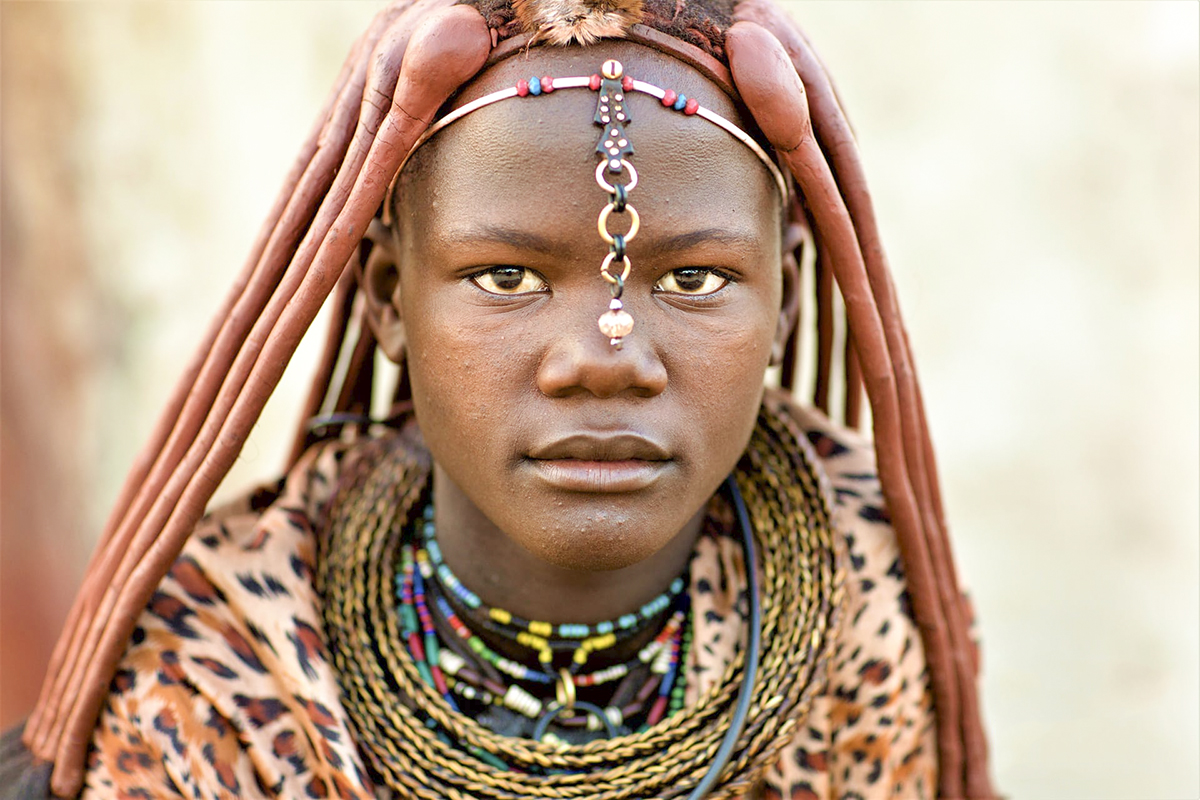
For the indigenous Himba People, "Okapupa" is the sacred Leadwood tree, central to their spiritual life, practical survival, and cultural identity. It is far more than just a plant; it is a bridge between the physical and spiritual worlds.
Okapupa Tours is the registered trading name for Little Waterfall Tours Closed Corporation.
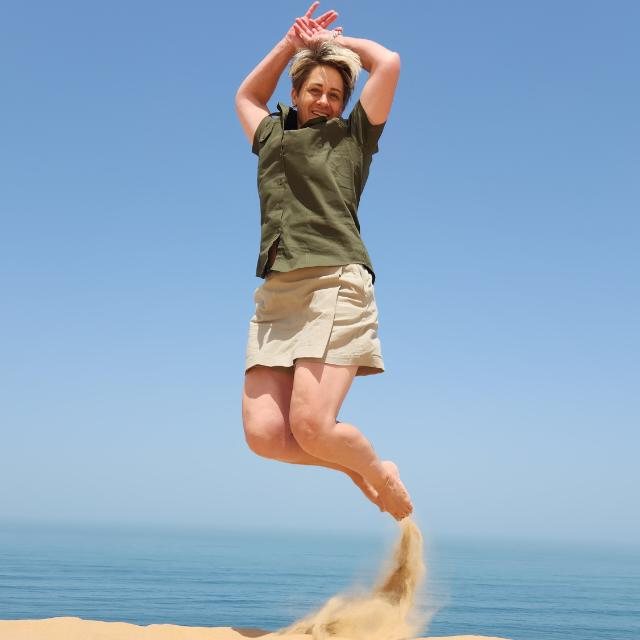
At Okapupa Tours, we don’t just show you Namibia—we share the Namibia we know and love. Founded in 2025 our seasoned guides will share a deep passion for this land’s wild landscapes, rich culture, and incredible wildlife.
Based in the adventure hub of Swakopmund, we specialize in crafting journeys that take you from the epic dunes of Sandwich Harbour and the mystical Spitzkoppe peaks to the raw beauty of the Skeleton Coast. We believe in all-inclusive, seamless adventures that let you focus on the experience, not the logistics.
But beyond the destinations, it’s the personal touch that defines us. Whether you're joining a day trip, camping under vast starry skies, or embarking on a multi-day expedition, we pride ourselves on attention to detail and service that makes every traveller feel like our only guest.
Ready to explore the Namibia we love? Contact Us to start your journey.
Our Story: From Big Dreams to Unforgettable Journeys
Okapupa Tours was built on a foundation of big dreams and hard work. Our Spirit and intimate knowledge of Namibia are the heart of our operation, driving us to deliver the authentic, unforgettable experiences.
Our Mission
To Create Authentic, Impactful Adventures
Our mission is to connect you deeply with the soul of Namibia through exceptional, immersive travel. We are committed to:
- Personalized Service: Crafting all-inclusive adventures tailored to your interests, whether you're a first-time visitor or a seasoned explorer.
- Expert Guidance: Sharing our passion and knowledge to ensure you discover the true essence of Namibia’s nature, history, and culture.
- Responsible Tourism: Operating sustainably to protect Namibia’s fragile ecosystems and support local communities, ensuring our travels leave a positive legacy.
We measure our success by the lasting memories we create and the respectful footprint we leave behind.
Our Vision
To Be Namibia’s Most Trusted Tour Operator
We aspire to be the leading tour operator in Namibia, recognized for unique, high-quality journeys that inspire a profound appreciation for our country.
Our vision is a future where:
- Every traveller experiences a transformative connection with Namibia’s wonders.
- Our personalized approach sets the standard for authentic and responsible tourism.
- Our growth continues to contribute to the preservation of Namibia’s natural beauty and cultural heritage for generations to come.
At Okapupa Tours, we believe a great tour shows you a place, but an exceptional experience helps you feel it. We are dedicated to crafting journeys that are not just itineraries, but chapters in your personal book of adventures. Here’s what sets us apart as your premier guide to Namibia.
1. Guided by Passion, Driven by Local Expertise
Our team is made up of born-and-bred Namibians and seasoned guides who don’t just know the roads—they know the land. We take you beyond the guidebooks to hidden viewpoints, share stories you won’t find elsewhere, and ensure you discover the true soul of Namibia.
2. Intimate, Personalized Experiences
We deliberately keep our groups small. This isn’t a one-size-fits-all operation. A smaller group means more flexibility to follow a herd of elephants, more time for your questions, and a more personal connection with your guide, your travel companions, and the environment around you.
3. Adventure Meets Comfort & Safety
We master the balance between rugged adventure and reliable comfort. Our modern, well-maintained 4x4 vehicles and rigorous safety standards ensure you can focus on the breathtaking scenery, whether we’re navigating the dunes of Sandwich Harbour or the trails of Etosha.
4. Committed to Responsible Tourism
Our passion for Namibia comes with a responsibility to protect it. We operate with a deep respect for the fragile ecosystems and vibrant communities we visit. By traveling with us, you support sustainable practices that help preserve Namibia’s beauty for generations to come.
5. Uncompromising Service, From Inquiry to Memory
Your satisfaction and safety are our top priorities. Our commitment to you begins with your first inquiry and continues long after you’ve returned home. We are dedicated to getting every detail right, ensuring a seamless, stress-free, and truly special experience.
6. Honest, Transparent Value
We believe in straightforward, all-inclusive pricing. The quote you receive covers the adventure we promise, with no hidden fees or unpleasant surprises. We provide exceptional value by delivering unforgettable experiences, not by cutting corners.
The Okapupa Promise: More Than a Tour, It's a Connection
Ultimately, our goal is simple: to create Memories That Last a Lifetime. We don’t just want you to see Namibia; we want you to leave with a piece of it in your heart—with stories of landscapes that moved you, wildlife that amazed you, and a journey that transformed you.
Ready to experience the difference? Explore our tours or contact us today to start planning your adventure.
Namibia - General information

Flag of Namibia © Wikipedia
The Republic of Namibia is located in the south-western part of Africa. Namibia has a population of about 2.1 Million inhabitants and an area of 824292 km².
Namibia is one of the most fascinating and diverse countries in the world and a number 1 travel destination. Namibia is world famous for the highest dunes in the world at Sossusvlei and for the Etosha National Park, one of world’s greatest conservation areas.
The official name of Namibia is "Republic of Namibia". Namibia is an independent country since 1990, a presidential republic with a democratic constitution following democratic principles including freedom of speech, press and religion. The motto of Namibia is "Unity, Liberty, Justice".
The country has an area of 824 268 km² and a population of only 2.1 Million inhabitants. Namibia belongs to the most sparsely populated countries in the world.
The capital of Namibia is Windhoek with about 350.000 inhabitants, many of them living in Katutura, a township in the north of the city.

Namibia Coat of Arms © Wikipedia
Namibia Overview
- Official name: Republic of Namibia
- Surface area: 824 268 km²
- Population: ~ 2.1 Million
- Motto: Unity, Liberty, Justice
- Anthem: "Namibia, Land of the Brave"
- Capital: Windhoek
- Independence: 21 March 1990
- Government: Presidential republic
- Current president: Dr. Hage Geingob
- Legislature: Parliament
- Democratic constitution
- Freedom of religion (90% Christian)
- Freedom of press/media
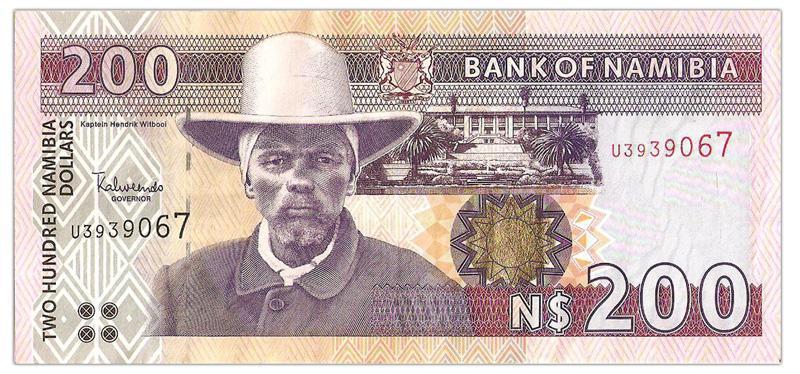
The 200 N$ note shows Hendrik Witbooi
Currency of Namibia
The currency of Namibia is the Namibian Dollar (N$ or NAD). The Namibia Dollar is fixed to and equals the South African Rand (ZAR). The South African Rand is also a legal tender in Namibia whereas the N$ is not a legal tender in South Africa. 1 N$ = 100 cents.
Travel Information
Visa Requirements & Application
Namibia Visa Requirements – Updated September 2025
Starting April 1, 2025, Namibia has introduced new visa regulations requiring most international travelers to obtain a tourist visa upon entry. At Okapupa Tours, we want to ensure your journey is seamless, so here’s everything you need to know before your adventure in Namibia.
Let Okapupa Tours Guide You
Navigating visa requirements can be confusing—let us help! Whether you're embarking on a desert safari, wildlife adventure, or cultural exploration, our team ensures a hassle-free experience.
Disclaimer: Visa regulations are subject to change. Always verify requirements with the Namibian embassy or consulate before travel.
Which Countries Require a Visa for Namibia?
Travelers from the following countries must apply for a tourist visa when entering Namibia:
Africa:
Benin, Burkina Faso, Burundi, Cabo Verde, Cameroon, Central African Republic (CAR), Chad, Comoros, Cote d'Ivoire, Djibouti, Equatorial Guinea, Eritrea, Gabon, Gambia, Ghana, Guinea, Guinea-Bissau, Liberia, Madagascar, Mauritania, Niger, Rwanda, Sao Tome & Principe, Sierra Leone, Togo, Tunisia, Uganda, Western Sahara Republic.
Americas:
Anguilla, Argentina, Aruba, Bahamas, Barbados, Bermuda, Bolivia, Canada, Chile, Dominican Republic, Grenada, Haiti, Mexico, Nicaragua, Panama, Paraguay, Peru, St Vincent and the Grenadines, St Kitts and Nevis, St Lucia, Suriname, Trinidad and Tobago, United States, Uruguay, Venezuela.
Asia & Middle East:
Armenia, Azerbaijan, Brunei Darussalam, Cambodia, Israel, Japan, Kazakhstan, Kyrgyzstan, Maldives, Mongolia, Palestine, Singapore, South Korea, Tajikistan, Thailand, Turkmenistan, Turkey, United Arab Emirates, Uzbekistan, Vietnam.
Europe:
Åland Islands, Andorra, Austria, Belarus, Belgium, Bulgaria, Croatia, Cyprus, Czech Republic, Denmark, Estonia, Finland, France, Georgia, Germany, Greece, Hungary, Iceland, Ireland, Italy, Latvia, Liechtenstein, Lithuania, Luxembourg, Moldova, Monaco, Montenegro, Netherlands, Norway, Poland, Portugal, Romania, Russia, Slovakia, Slovenia, Sovereign Order of Malta, Spain, Sweden, Switzerland, Ukraine, United Kingdom, Vatican City, Yugoslav Republic of Macedonia.
Oceania:
American Samoa, Australia, Kiribati, New Zealand, Samoa, Tonga, Vanuatu.
-
Non-African Citizens:
1,600 NAD (~$90 USD / €80)
-
African Citizens:
1,200 NAD (~$70 USD / €60)
You have two options:
-
Visa on Arrival
-
Pros: Simple process, pay by credit card at the immigration counter.
-
Cons: May cause slight delays at entry.
-
-
Online Pre-Application (E-Visa)
-
Pros: Faster entry, avoids potential airport queues.
-
Cons: Requires additional documentation and costs 3% more due to processing fees.
-
Apply for an e-visa here

-

Some Tips on Planning your Itinerary
Africa’s Untamed Beauty – Where Adventure Meets Serenity
Namibia, a land of stark contrasts and breathtaking landscapes, is one of Africa’s most captivating travel destinations. From the towering dunes of Sossusvlei to the wildlife-rich Etosha National Park, Namibia offers an unforgettable experience for nature lovers, adventurers, and culture seekers alike.
Start Your Namibian Adventure Today!
Whether you're seeking solitude in the desert, thrilling wildlife encounters, or cultural immersion, Namibia promises an extraordinary journey.
Book your trip now and experience the magic of Africa’s hidden gem!
-
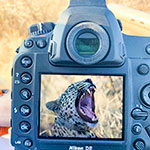
May – October (Dry Season) – Ideal for wildlife viewing in Etosha and comfortable temperatures.
-
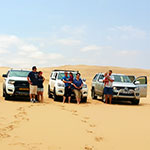
November – April (Wet Season) – Lush landscapes and birdwatching opportunities, though some areas may be harder to access.
-
Namibia is a vast country – plan your itinerary carefully.
-
Pack for all weather conditions – hot days and chilly nights are common.
Tips for Driving in Namibia
Namibia Driving Tips: Stay Safe on the Road
Namibia is a stunning and safe travel destination, and we want your journey to be as enjoyable as possible. To ensure a smooth and secure experience, please follow these essential driving tips:
By following these guidelines, you’ll help ensure a safe and memorable adventure in Namibia. Enjoy the journey!
Drive safely and respect the road!

Speed Limits & Road Safety
-
Urban areas: 60 km/h
-
Surfaced roads (outside towns): 120 km/h
-
Gravel roads (outside towns): 100 km/h *(recommended to drive 60–80 km/h for better control)*
Gravel roads can be unpredictable—reduce speed to avoid losing control. Be cautious of:
-
Drivers overtaking unexpectedly
-
Strong crosswinds
-
Dust storms that may reduce visibility
Key Driving Rules in Namibia
-
-
Drive on the left side of the road.
-
Seatbelts are mandatory for all passengers (front and back).
-
Always use headlights, even during the day.
-
Carry a valid driver’s license when operating a vehicle.
-

Vehicle Preparation & Essentials
Before setting off, ensure:
-
Brakes and tyres are in good condition.
-
Tyres are properly inflated for road conditions and vehicle load.
-
Carry at least one spare tyre (two spares + a repair kit for remote areas).
-
A well-equipped first aid kit is in the vehicle.
For remote areas, a 4x4 vehicle is highly recommended.
Trip Planning & Fuel
-
Plan your route carefully and ensure enough fuel for the journey.
-
Refuel at every opportunity—gas stations can be scarce in remote regions.
-
Carry sufficient water for all passengers in case of breakdowns.
-
Share your itinerary with your hotel, tour operator, or friends for safety.
Wildlife & Night Driving
-
Animals frequently cross roads—stay alert, especially at dusk and dawn.
-
Avoid driving at night—wildlife activity increases collision risks.
-
In game reserves:
-
Follow park safety guidelines.
-
Never exit your vehicle near wild animals.
-
Observe animals only from inside your car.
-
Respect & Environmental Care
-
Dispose of litter responsibly.
-
Respect local communities and cultures, especially in rural areas.
Rainy Season Precautions
-
Beware of flooded roads and rivers.
-
Never drive through water if depth is uncertain.

General Safety Tips
-
Secure valuables—don’t leave them visible in your car or hotel room.
-
Lock your hotel room when entering or leaving.
-
Avoid carrying large amounts of cash.
-
Do not pick up hitchhikers.
-
Keep cameras and jewelry discreet to avoid attracting attention.
4x4 Driving Tips: Mastering Namibia’s Wild Terrain
Driving through the rugged landscapes of Namibia, Botswana, and Zambia is an adventure like no other—but it requires skill, caution, and respect for the environment. Whether you're navigating gravel roads, deep sand, or muddy tracks, these essential 4x4 tips will help keep you safe and in control.
By mastering these techniques, you’ll be ready to tackle Africa’s wild terrains safely and confidently. Happy adventuring!
Driving on Gravel Roads
Gravel roads can be deceptive—what seems smooth can suddenly turn treacherous. Follow these guidelines:
-
Never exceed 80 km/h—hidden potholes, rocks, deep sand, or animals can appear without warning.
-
Watch for animals—both wild and domestic animals may dart across the road unexpectedly.
-
Beware of dust clouds from oncoming or overtaking vehicles—they can drastically reduce visibility.
-
Turn on headlights to improve visibility.
-
Slow down or pull over until the dust settles if necessary.
Driving on Sand
Sand driving demands constant attention—conditions change quickly. Here’s how to stay in control:
-
Engage 4WD before entering sand and test different gears to see how your vehicle responds.
-
Keep both hands on the wheel—sand can shift suddenly, requiring quick corrections.
-
Slow down before rough patches—shift to a lower gear before hitting deep sand, but never stop mid-track.
-
Lower tyre pressure (if driving in deep sand) to increase traction.
-
Corrugated sand tracks? Reduce speed to avoid discomfort, vehicle damage, or injuries from bouncing.
If You Get Stuck in Sand:
-
Dig around the wheels and place traction aids (mats, branches) under them.
-
No trees for a winch? Try this bush trick:
-
Dig a hole, place your spare wheel inside, and hook a wrench to it.
-
Bury the wheel partially—this creates an anchor point to pull yourself free.
Driving in Mud
4WD doesn’t make you invincible—mud can be far trickier than sand.
-
Avoid "black cotton soil" (common in rainy seasons)—it traps vehicles axle-deep.
-
Test muddy patches on foot first—the surface may seem dry but hide slippery mud underneath.
-
If stuck:
-
Dig out mud from under the wheels.
-
Use logs, branches, or recovery tracks for traction.
-
Jack up the vehicle (carefully!) to place more support underneath.
-
Driving on Pans (Salt Flats & Dry Lakes)
Pans can be dangerously deceptive:
-
Stick to existing tracks—the surface may look dry but hide deep mud underneath.
-
Stay near shorelines if no clear path exists.
Driving in Parks & Reserves
Remember: You are in the animals’ territory.
-
Keep a safe distance—never harass or approach wildlife.
-
Stay in your vehicle unless at designated safe spots.
-
Off-road driving is prohibited—stick to marked trails.
Final Tips for Safe 4x4 Adventures
✔ Always carry recovery gear (shovel, tow straps, jack, spare tyre).
✔ Travel with extra fuel, water, and supplies—remote areas have few services.
✔ Respect the environment—avoid littering and follow local regulations.